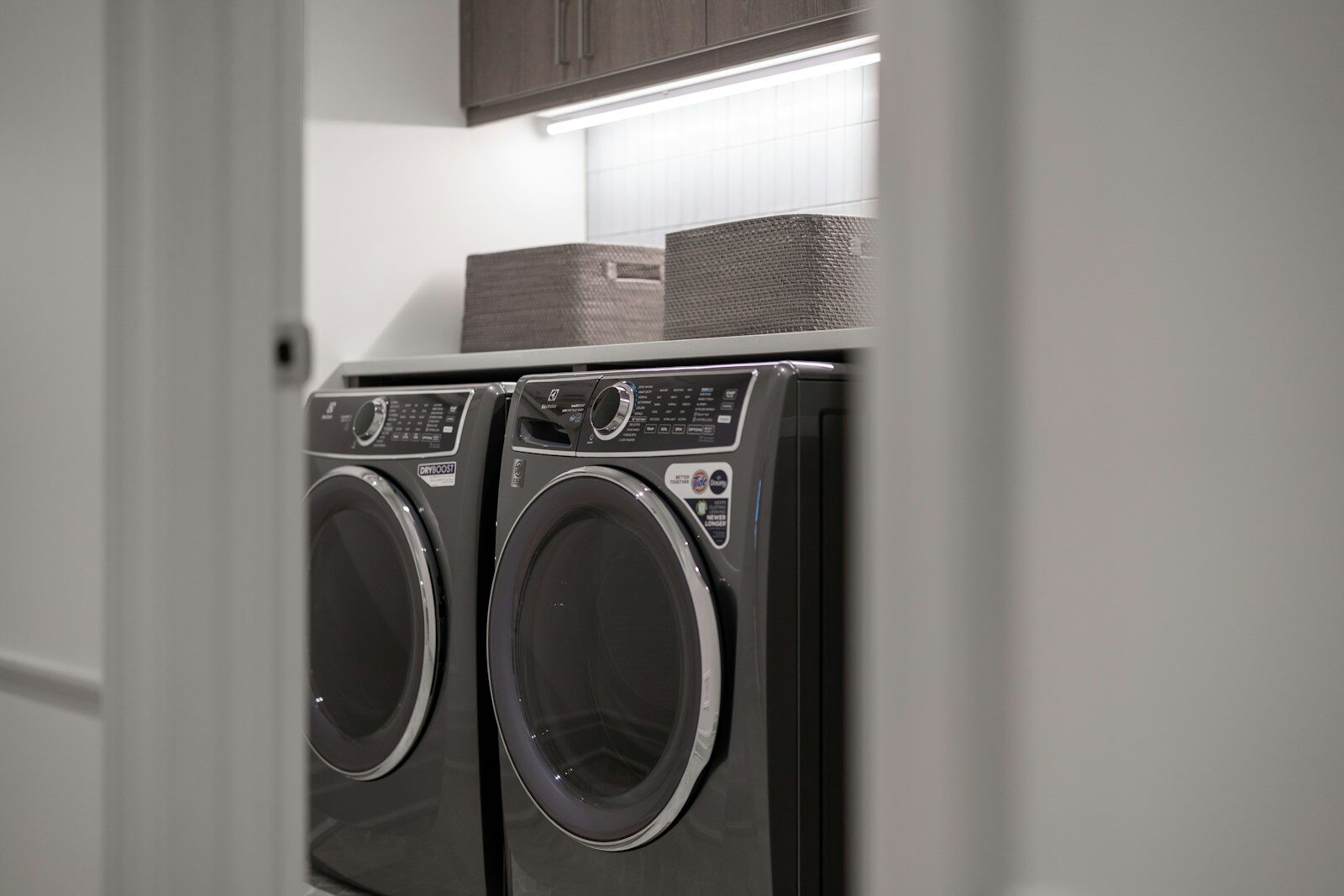
Dryer Not Heating in Sandy Springs, GA
Licensed Sandy Springs technicians diagnose the cause, explain your options, and give you a written quote before any work begins. Service fee waived with repair approval.
If your dryer shows this problem, you are not alone. It is one of the most common reasons Sandy Springs homeowners call us, and in many cases it can be fixed in a single visit. This guide explains what the problem looks like, what usually causes it, what you can safely check, and what to expect when a technician arrives. For general service, see our dryer repair page.
What It Looks Like and Why It Happens
What It Looks Like
- Clothes come out damp and cold after a full cycle.
- Dryer drum turns but no warm air is produced.
- No clicking or humming from the heating element.
- The dryer may display an error code related to temperature (if equipped with a digital display).
Why It Happens
- Heating element (thermal coil) has burned out.
- Thermal fuse is blown, cutting power to the heating circuit.
- Igniter (for gas dryers) is defective or cracked.
- Faulty thermostat or temperature sensor sending incorrect readings.
- Clogged vent or lint filter causing the dryer to overheat and shut off the heating element.
How a Technician Diagnoses It
A certified technician will first verify that the dryer receives proper voltage. Using a multimeter, they will test the heating element for continuity, check the thermal fuse for continuity, and inspect the igniter (for gas models). The thermostat and temperature sensor will also be examined for proper resistance values. Finally, the vent system will be inspected for blockages that could trigger a safety shut‑off.
What We Check First
- Confirm the dryer has power, and for electric models check both halves of the double breaker.
- Clean the lint screen and wipe off any film left by dryer sheets.
- Check the vent hose behind the dryer for kinks or crushing.
- Confirm the exterior vent flap opens freely when the dryer runs.
- Avoid overloading, which blocks airflow and tumbling.
- For gas dryers, confirm the gas supply valve is on.
Safe Checks You Can Try Before You Call
A few simple checks can sometimes solve the problem or give the technician useful information. Stop as soon as a step requires opening panels, touching wiring, or handling gas.
- Confirm the dryer has power, and for electric models check both halves of the double breaker.
- Clean the lint screen and wipe off any film left by dryer sheets.
- Check the vent hose behind the dryer for kinks or crushing.
- Confirm the exterior vent flap opens freely when the dryer runs.
- Avoid overloading, which blocks airflow and tumbling.
- For gas dryers, confirm the gas supply valve is on.
Safety First
Lint buildup is a leading cause of dryer fires. If you smell burning or the laundry area feels unusually hot, stop the dryer, unplug it, and call us.
What Happens During Your Visit
1. Book
Call or send a request and describe what is happening. Have the brand and model number ready if you can.
2. Diagnose
Your technician inspects and tests the dryer to find the real cause, not just the symptom.
3. Quote
You receive a clear written quote and explanation before any work begins. You decide whether to proceed.
4. Repair and test
With your approval, the repair is completed and the dryer is tested before we leave.
Parts We Commonly Replace
Depending on the diagnosis, repairs on a dryer often involve one of these parts. We explain which one failed and why before you approve the work.
- Heating elements and igniters
- Thermal fuses and thermostats
- Drive belts and idler pulleys
- Drum rollers and glides
- Door switches and start switches
- Moisture sensors and control boards
- Blower wheels and motors
- Gas valve coils
How to Prevent It From Coming Back
- Clean the lint screen after every load.
- Have the vent duct cleaned at least once a year.
- Use rigid or semi-rigid metal ducting, not foil or plastic.
- Avoid drying very large items in a small dryer.
- Wipe the moisture sensor bars occasionally.
Why Sandy Springs Homeowners Call Us
Our technicians are licensed and insured, and we serve homes, condos, and townhomes across Sandy Springs and nearby neighborhoods. Same-day appointments are often available, and you will always receive a written quote before any work begins.
If a dryer not heating problem is disrupting your household, you do not have to guess. A short visit usually identifies the cause, and our honest guidance on repair versus replacement helps you decide with confidence. Service fee waived with repair approval.
Need This Fixed in Sandy Springs?
Same-day appointments across Sandy Springs and nearby. Written quote before any work starts. Service fee waived with repair approval. Service fee waived with repair approval.
Frequently Asked Questions
Can I replace the heating element myself?
While DIY replacement is possible for some models, improper handling can cause electric shock or further damage. Professional installation ensures safety and correct operation.
Why does my dryer still run but stay cold?
The motor and drum can operate independently of the heating circuit. If the heating element or safety fuse fails, the dryer will tumble without heat.
Will a clogged vent cause the dryer not to heat?
A blocked vent can cause the dryer to overheat, triggering the thermal fuse to blow, which stops the heating element from receiving power.
How long should a dryer heating element last?
Typically 5‑10 years, depending on usage and maintenance. Regular lint removal helps extend its life.
How often should the dryer vent be cleaned?
At least once a year, and more often with heavy use or a long vent run.
Why does my laundry smell hot or burnt?
Restricted airflow overheats the dryer. Stop using it and have the vent and dryer inspected.
Can a blocked vent cause no heat?
Yes. Overheating can trip the thermal fuse or high-limit thermostat, which cuts heat to protect the dryer.
Is it worth repairing an older dryer?
Usually yes, because belts, elements, and fuses are common, affordable repairs.